
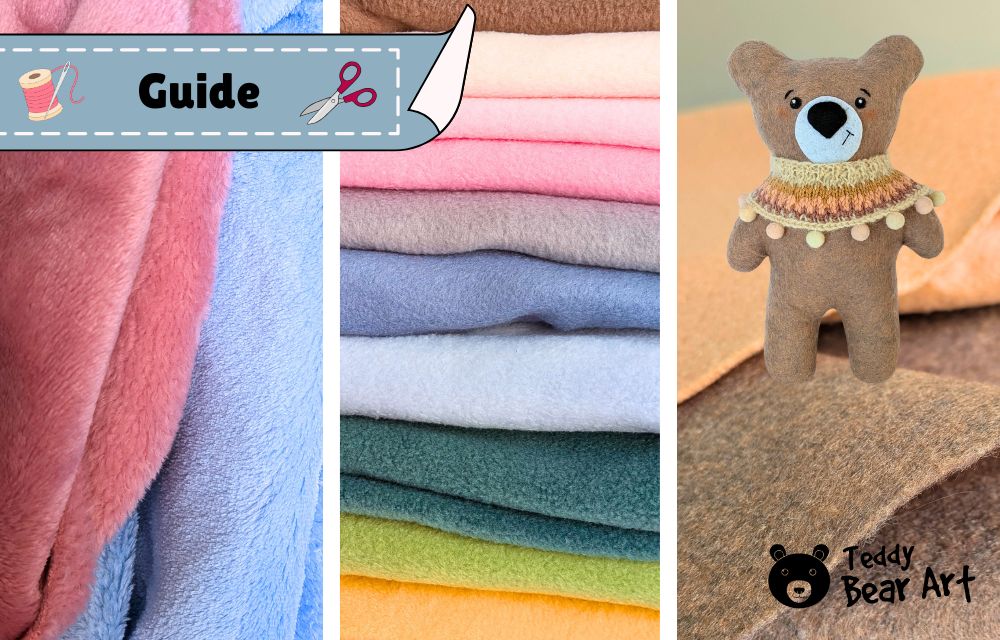

Plushie making materials on a budget was exactly how I started, and honestly, I would not change that experience for anything. In the beginning, I used whatever I had at home just to understand how fabrics behave, stretch, and feel under the needle. I practiced both hand-sewing and machine-sewing on scraps, made a lot of imperfect pieces, and learned from each one.

I only bought a few threads in basic colors and a pack of needles. I did not even buy beads for eyes at first, I drew them or embroidered simple stitches. Only later did I add a few inexpensive black beads. That early stage taught me that beautiful plushies are not about expensive supplies, they are about understanding your materials.
What You Really Need to Make a Plushie
At its core, plushie making is very simple, and that is good news if you are trying to keep costs low.
You need fabric, stuffing, thread, and a needle or sewing machine. That is enough to get started. Everything else, like safety eyes, decorative elements, or specialty tools, can come later.
Many beginners spend too much money too soon on extras that do not really improve their results. It is far more important to learn how to sew neat seams, turn shapes properly, and stuff evenly. Those skills will make even the cheapest materials look good.
Best Budget Fabrics for Plushie Making
If you want to save money and still get great results, these fabrics are the ones worth focusing on, starting with the most useful and beginner-friendly.
Fleece
Fleece is the best all-around budget choice.
Soft, forgiving, and easy to work with. It does not fray much, which makes sewing much simpler, especially if you are still learning. It is widely available and often very affordable. If you choose only one fabric to start with, fleece is a safe and reliable option.

Upcycled Fabrics
Upcycled fabrics are the cheapest and most creative option.
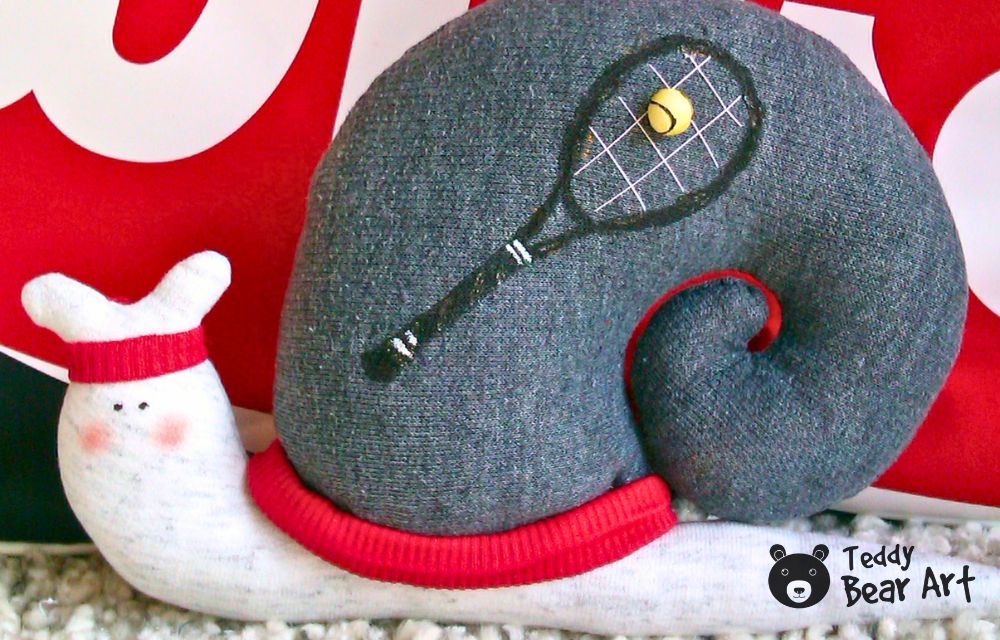
Old sweaters, t-shirts, baby clothes, and blankets can all be turned into plushies. These materials are often softer than cheap store fabrics and give your work a unique character. It is also one of the best ways to practice without spending anything.
Felt
Felt is the easiest to find and use.
Extremely accessible and inexpensive. Perfect for small plushies or simple shapes. It does not stretch and holds its form well, but it can feel a bit stiff, so it is not ideal for larger, soft toys.
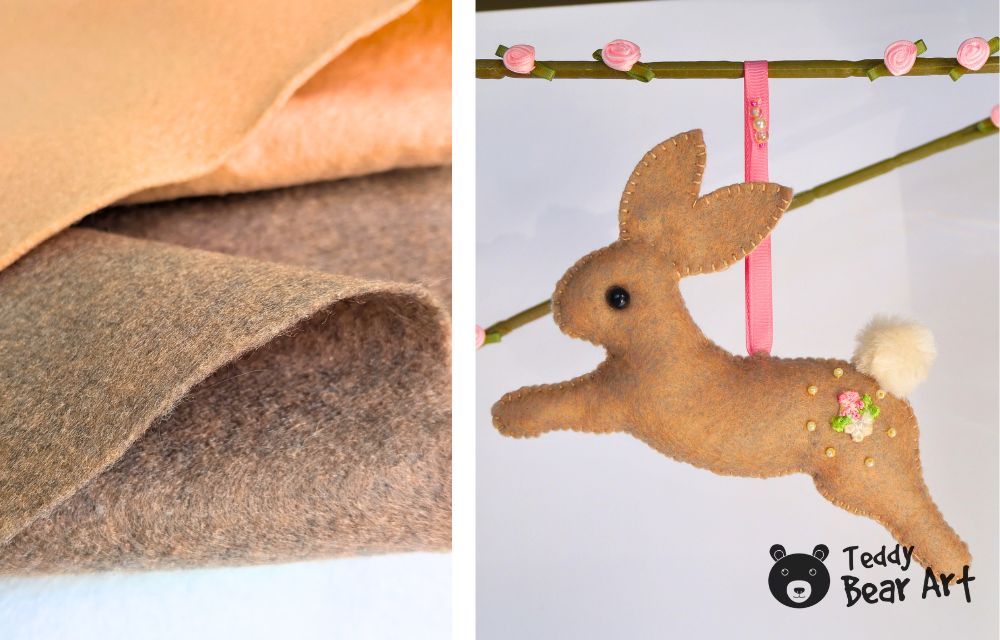
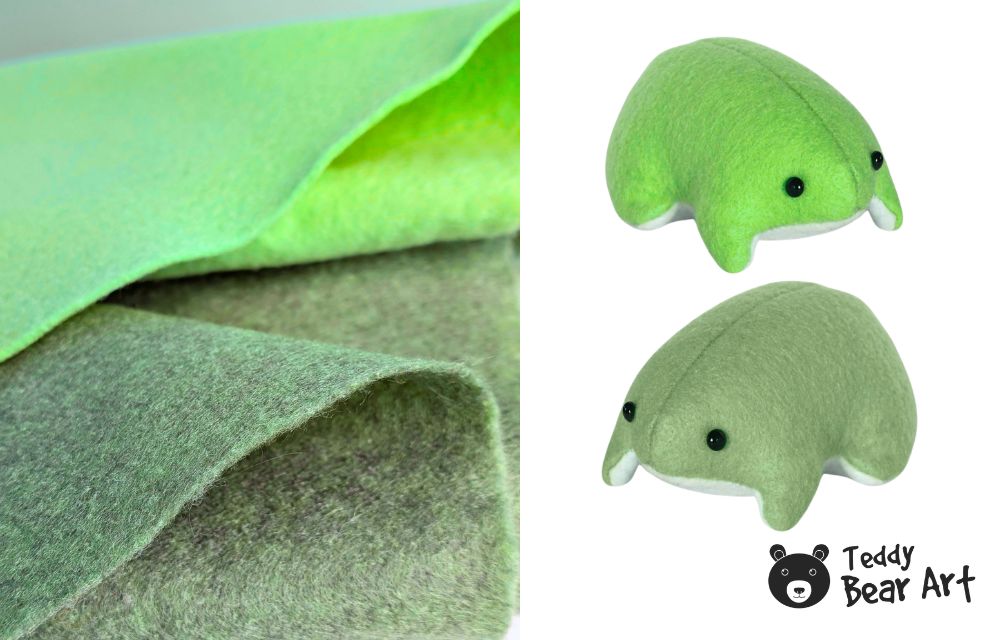
Felt is perfect for beginners because it doesn’t fray and is very easy to work with. If you want to try it, this simple felt teddy bear pattern is a great place to start.
Cotton Fabric
Cotton fabric is great for learning structure.
Affordable and easy to sew, especially for beginners who want to improve precision. It is not very soft compared to fleece, but it is excellent for practicing patterns and clean seams.
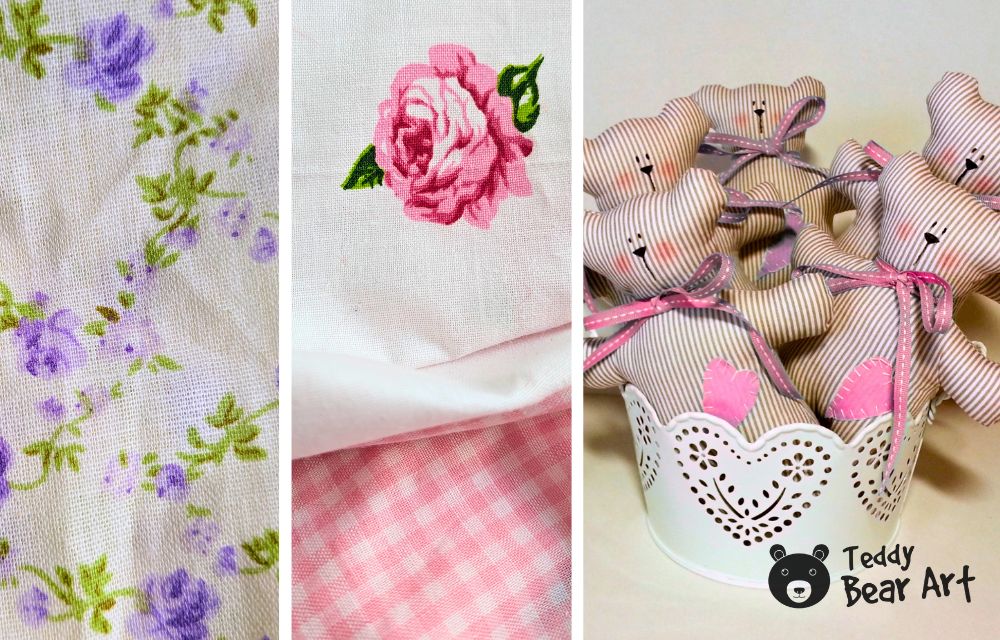
If you want to see how these fabrics actually work in real projects, you can check out these affordable plushie patterns that are designed with simple materials in mind.
What to Skip
Saving money is also about avoiding materials that are not worth it at the beginning.
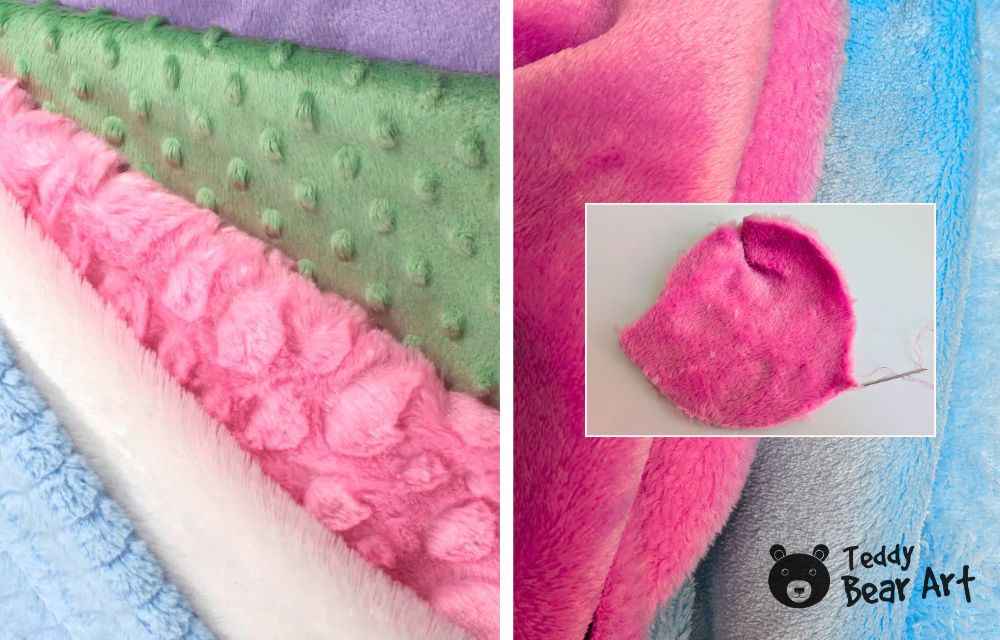
Minky fabric is very popular because of its softness, but it is expensive and difficult to handle. It stretches and shifts, which can be frustrating when you are still learning. It makes more sense later, once your skills are more developed.
Faux fur looks beautiful, but it is tricky to cut and sew. It can also create a lot of waste if you make mistakes. For beginners, it often leads to unnecessary frustration and extra cost.
There are also many specialty fabrics marketed as perfect for plushies. Embossed textures and premium finishes can look tempting, but they rarely make a real difference when you are just starting. Simple materials will give you better results while you build your skills.
Cheap Stuffing and Smart Material Sources
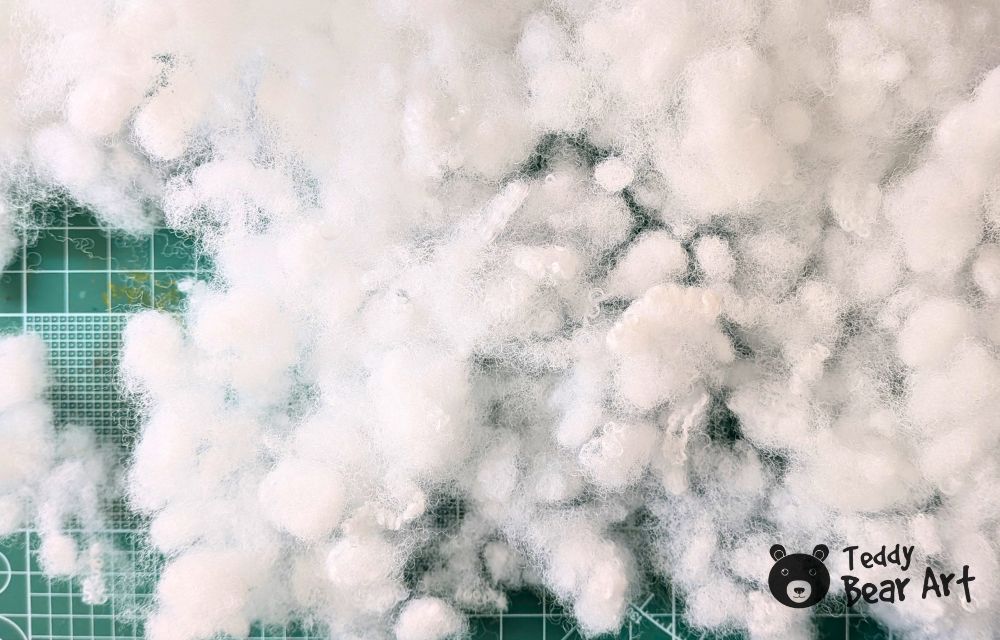
Stuffing is another area where you can save without sacrificing quality.
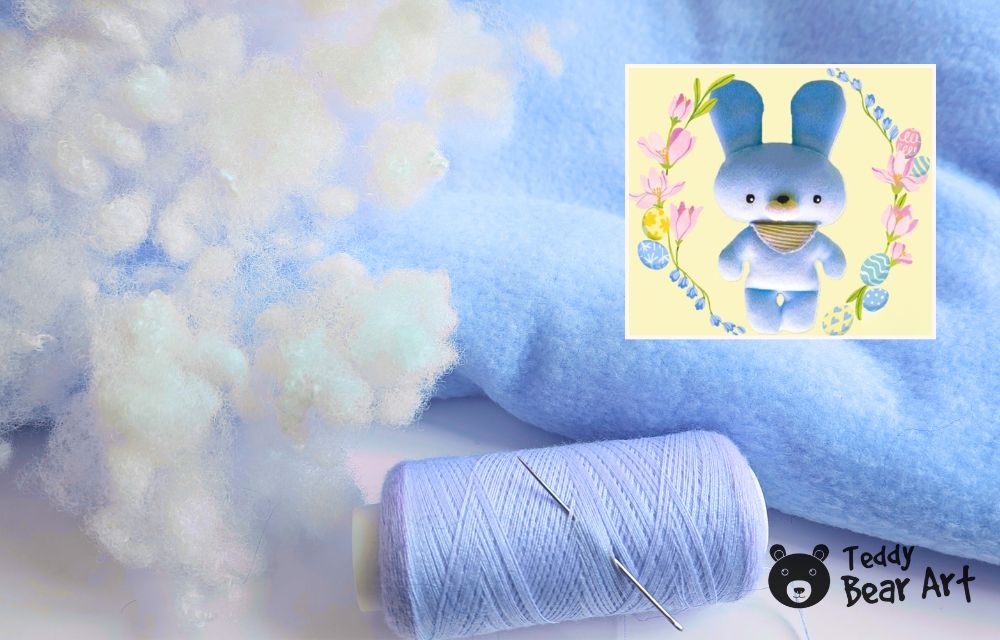
Polyester fiberfill is the most common choice. It is affordable, easy to find, and gives consistent results. It works well for almost any plush project.
Old pillows are a great alternative. You can reuse the filling after making sure it is clean and fresh. This is one of the easiest ways to save money without compromising softness.
Fabric scraps can also be used, especially for small plushies. They are free and reduce waste, but they can create uneven shapes in larger toys, so it is better to mix them with softer filling.
When it comes to finding materials, think beyond regular fabric stores. Thrift shops often have hidden gems like soft blankets or sweaters. Discount shops can offer great deals, especially if you are flexible with colors. Even your own home can be a source of materials if you look at it with a creative eye.
Even now, when I go to regular fabric stores, not the fancy craft ones, because those are more expensive, I always ask first about their remnants. They are usually sold at lower prices, and I start by picking what I need for my projects from them. Recently, I bought some colorful fleece at a normal, affordable price, 3 euros per half meter with a width of 1.5 meters, and I purchased it in half-meter pieces for my projects. Sometimes remnants are even cheaper, so it’s always worth asking at the store.
When it comes to choosing colors, I usually follow a simple principle. For sea animals, I stick to a blue-gray and light blue palette. For flowers, dinosaurs, and turtles, I go for green, yellow, and brown tones. White or cream are my base colors, because they work well in almost any project. Red I reserve for fun summer fruits, like watermelons, cherries, and strawberries. Besides that, red, green, and white work perfectly for Christmas-themed plushies. And of course, I always add some pink just for fun, because I love pink!
How to Save Money and Get Better Results
The biggest difference between struggling and improving is not the materials, it is how you use them.
Start simple and give yourself space to learn. Test patterns on cheap fabric before using anything better. This helps you avoid wasting good material on early mistakes.
Buy small amounts instead of large quantities. Your preferences will change as you gain experience, and it is better to stay flexible.
Pay attention to how each fabric behaves. Some stretch, some hold their shape, and some are easier to sew by hand. The more you experiment, the more confident you will become, and that confidence will naturally reduce waste.
In the end, plushie making materials on a budget is not about limiting yourself. It is about being resourceful and building real skills step by step. If this helped you, save this page to your bookmarks so you can come back to it anytime you need a simple, practical guide.
FAQ
Can I really make a plushie without buying any new fabric?
Yes, using old clothes, blankets, or thrifted fabrics can work wonderfully. Upcycled materials often have unique textures and colors that store fabrics do not.
What stuffing is cheapest and still soft?
Polyester fiberfill is inexpensive and reliable. Old pillow stuffing or fabric scraps can supplement it for small projects.
Do I need a sewing machine?
Not at all. Hand sewing works fine, especially for small plushies. A machine speeds up the process, but the results depend more on technique than tools.
Before You Go
Plushie making materials on a budget are all about starting simple and making the most of what you already have. You don’t need a big fabric stash or expensive supplies to create something beautiful. Small steps and simple choices will take you much further than you think.
Try a few easy projects, experiment with different fabrics, and don’t be afraid to reuse materials. This is how you learn what works best for you without wasting money.
Once you feel more confident, you can slowly explore new fabrics, textures, and details. Over time, your skills will grow naturally, along with your material choices.
At the end of the day, the best plushies are not the ones made with the most expensive supplies, but the ones made with creativity, patience, and intention.
Ready to start? Try a simple beginner-friendly plushie like this:
Get Free Patterns & Be the First to Know!
Want free teddy bear patterns, exclusive tutorials, and a chance to win craft supplies?
Sign up for our newsletter using the subscribe form in the middle of this article to receive new patterns, insider tips, and the latest news on teddy bear art. You’ll also automatically be entered into our annual giveaway for a chance to win teddy bear crafting materials.
Bonus entry: Save one of our pins on Pinterest to increase your chances of winning!
Let’s create, inspire, and craft beautiful teddy bears together!