


Artist teddy bears are much more than small handmade versions of the familiar childhood toy. Each one begins with an idea, a pattern, a choice of materials, and a particular expression the artist wants to create. Some look traditional and nostalgic, others are realistic, whimsical, modern, or slightly unusual. What connects them is the artist behind the design and the many decisions made by hand along the way.
What Are Artist Teddy Bears?
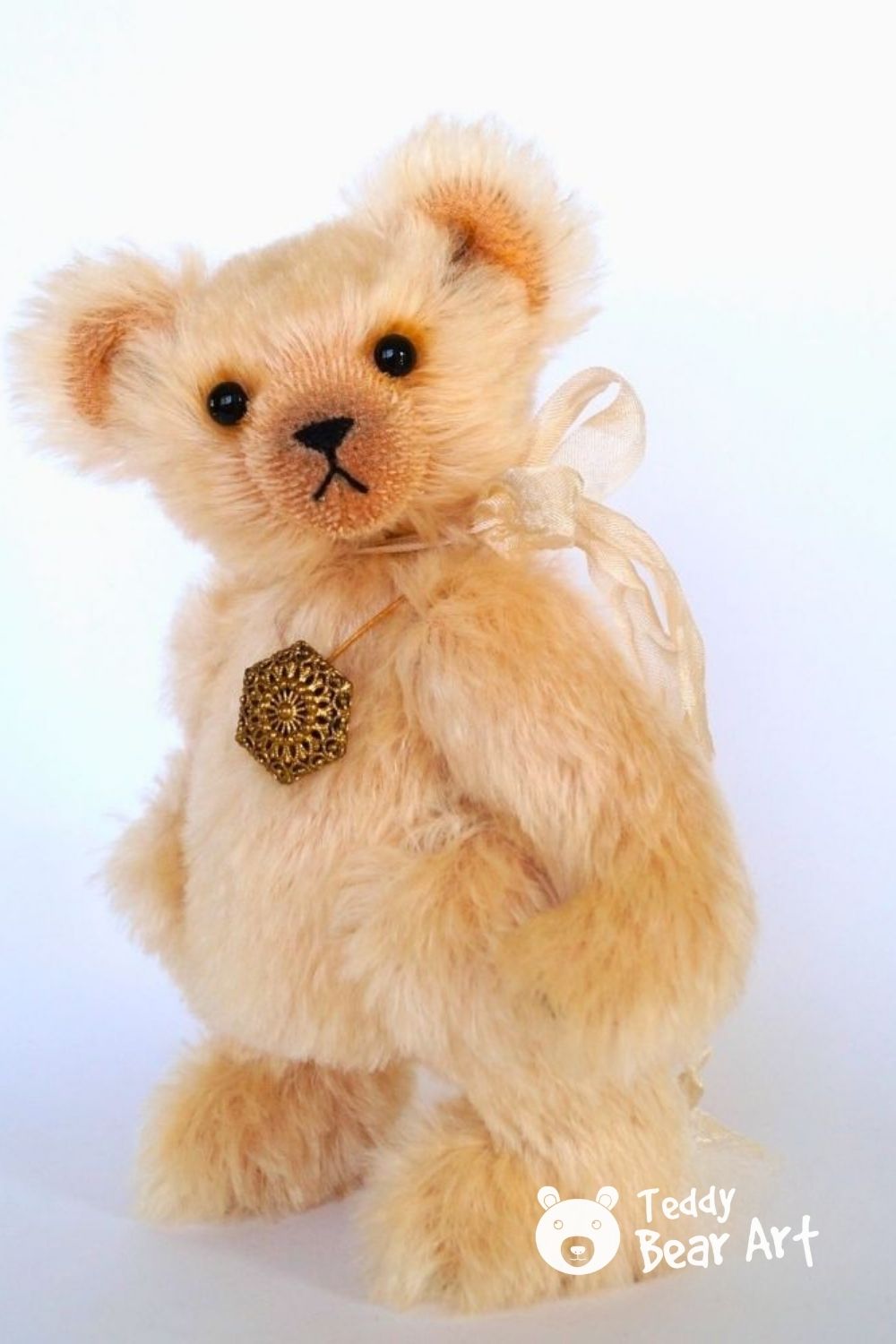
An artist teddy bear is typically handmade by an individual teddy bear artist rather than mass-produced in a factory. Some artists design their own patterns, while others work from patterns created by other designers. What makes the finished bear special is the maker’s personal approach to materials, proportions, stuffing, facial expression, finishing, and small details. Even when several artists use the same pattern, the completed bears can look completely different.
Some bears are completely one of a kind. Others are made as part of a small limited edition. Even when an artist uses the same pattern more than once, the finished bears rarely look exactly alike. A slightly different eye position, the amount of stuffing in the muzzle, the way the fur is trimmed, or a touch of shading can change the entire expression.
That individuality is one of the things we love most about making bears. A drawing on paper may suggest what the finished character will look like, but the personality often starts appearing only during the sewing and finishing process.
Original Design Gives Every Bear Its Character
The pattern is the foundation of an artist bear, but proportions are what start giving it a recognizable character.
A large head with a small body can make a bear look young and sweet. Longer limbs may create a more elegant silhouette. A narrow muzzle can give the face a completely different feeling from a short, rounded one. Even ears make an enormous difference. Moving them slightly higher, lower, or farther apart can change the expression surprisingly quickly.
This is why artist bears can look so different from one another even though they are all based on the familiar teddy bear form.
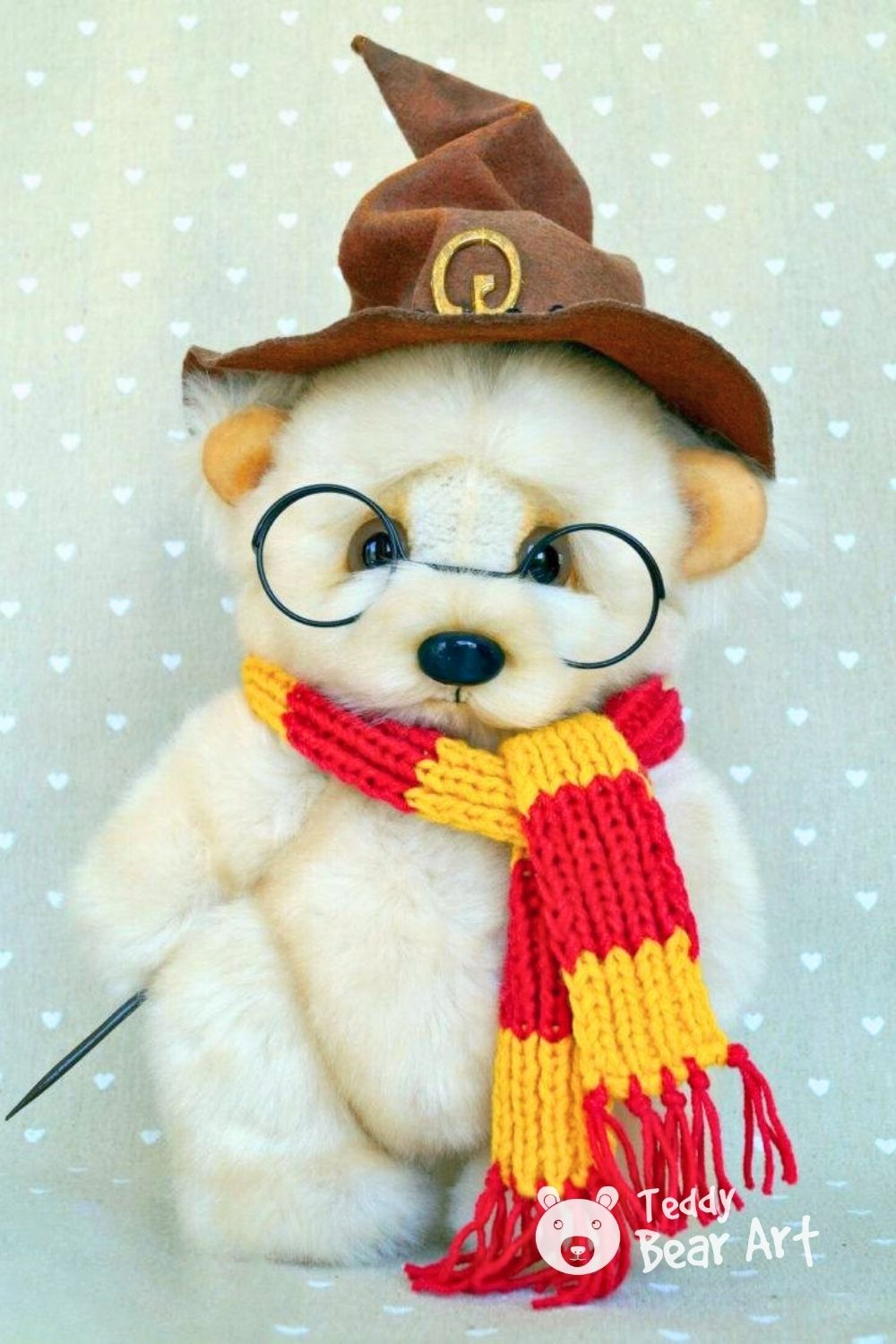
When designing our bears, we do not need to follow one traditional formula. We can exaggerate a feature, create an unusual body shape, make a tiny bear with oversized paws, or give a classic design an unexpected expression. These choices are what gradually create an artist’s recognizable style.
Materials and Traditional Teddy Bear Making Techniques
Mohair is probably the material most strongly associated with traditional collectible bears, but it is far from the only choice. Artist bears can also be made from alpaca, viscose, high-quality faux fur, plush, or other fabrics that suit a particular design.
The material has a strong effect on the finished character. Sparse mohair can create a wonderful vintage appearance, dense fur can make a bear look soft and luxurious, and short pile fabric allows the shape of the muzzle and body to remain clearly visible.
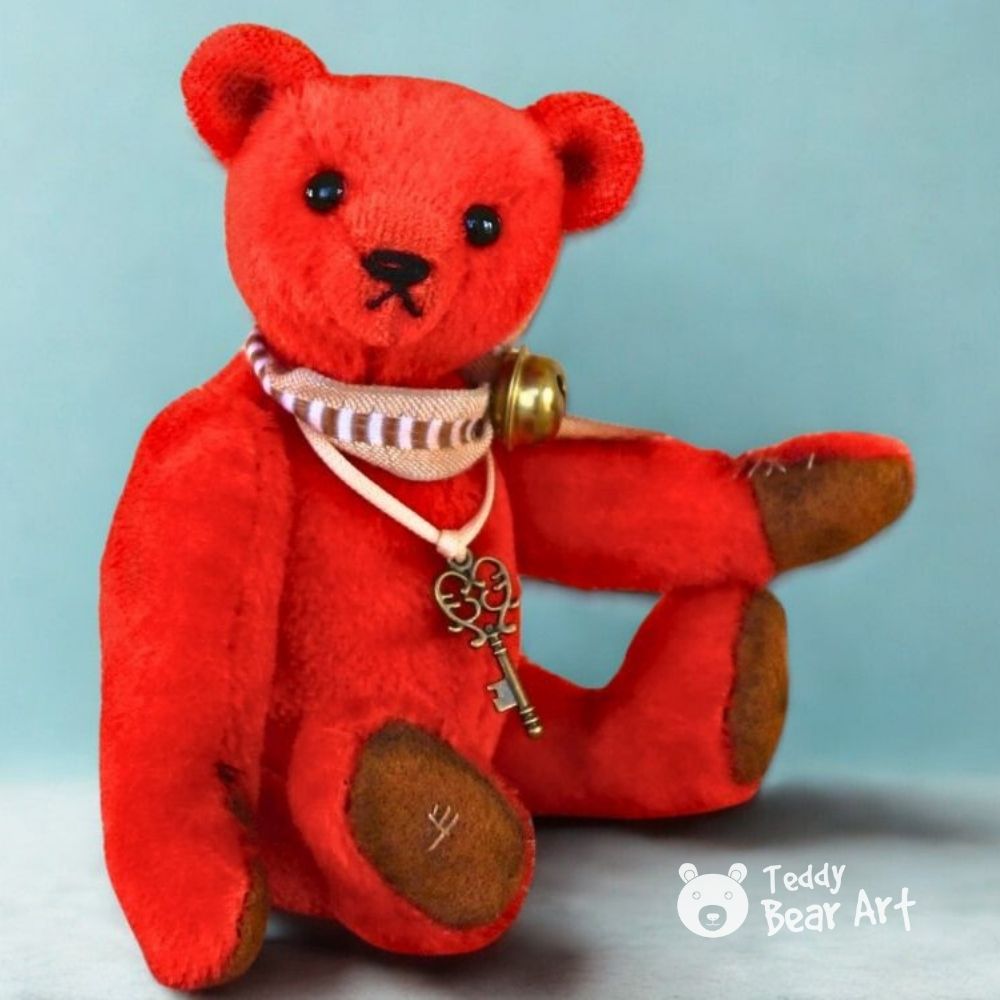
Many artist teddy bears are traditionally jointed. The head, arms, and legs can be attached with discs and cotter pins, bolts, or similar joint systems, allowing the bear to move and sit in different positions.
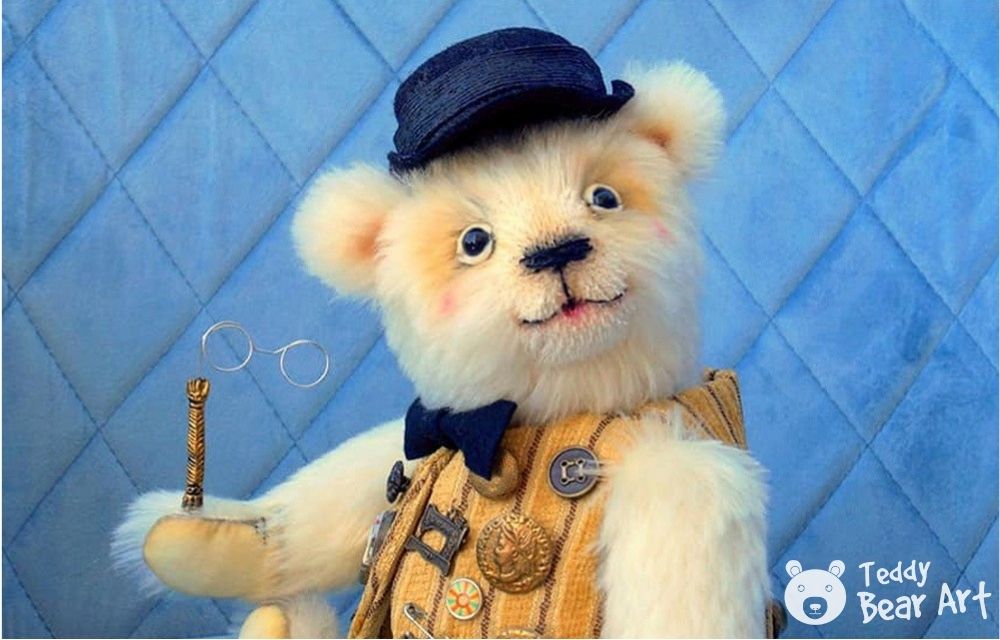
Then come all the finishing details. The bear may have glass eyes, paw pads, a hand-embroidered or sculpted nose, carefully trimmed fur around the muzzle, shading, painted details, or small handmade accessories.
None of these elements needs to be complicated simply for the sake of complexity. Good design often comes from knowing where to add detail and where to stop.
Artist Teddy Bears and the Importance of Expression
For us, the face is one of the most fascinating parts of the whole process.
Two bears made from an identical pattern can develop completely different personalities simply because their eyes have been placed a few millimeters apart, their muzzles have been stuffed differently, or their noses have slightly different shapes.
The position of the ears matters too. So do eyelids, trimming, shading around the eyes, and the direction of the fur.
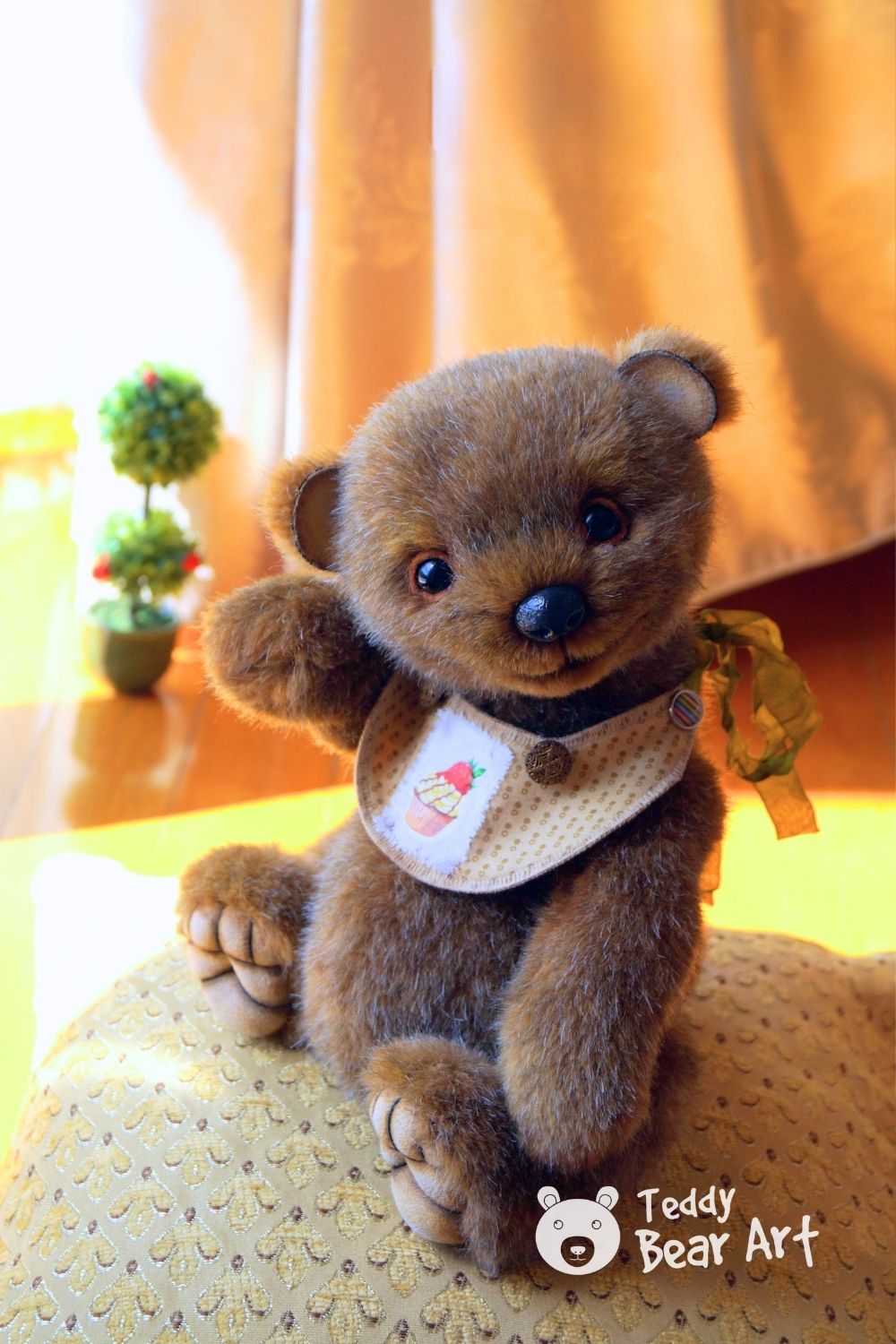
One bear may appear curious and cheerful, another thoughtful, sleepy, shy, or slightly mischievous. These tiny visual changes are often difficult to describe precisely, yet we recognize the difference immediately when we look at the finished bear.
This is also one reason collectors can form such a strong connection with a particular piece. They are not simply choosing a color or size. Sometimes one expression simply speaks to them.
From Traditional Bears to Modern and Fantasy Designs
There is no single style that defines an artist bear.
Traditional designs often use classic proportions, mohair, jointed limbs, and details inspired by antique teddy bears. Vintage-style bears may include distressed fabrics, sparse fur, carefully aged paw pads, or muted colors.
Realistic bears move in another direction, using anatomy, shaping, coloring, and detailed features to bring them closer to real animals.
Modern artist bears can be much more playful. Their proportions may be exaggerated, their colors unexpected, and their materials very different from those associated with classic teddy making. Fantasy bears take this freedom even further.
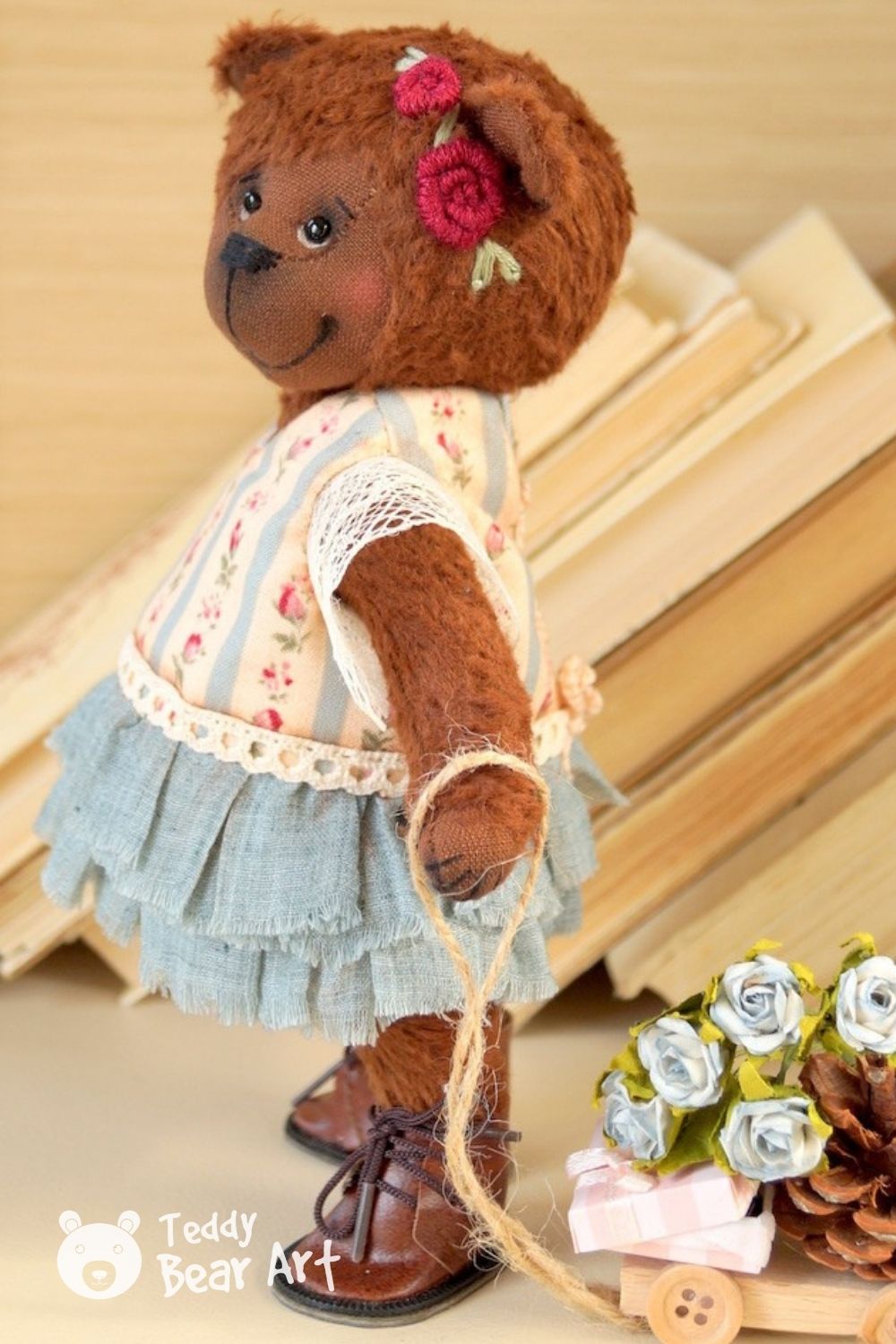
This variety is part of what keeps teddy bear art interesting. We can appreciate a beautifully made traditional mohair bear and still be inspired by a completely unconventional character with oversized ears, unusual colors, or an almost storybook appearance.
A strong artist bear does not have to look expensive, complicated, or perfectly traditional. It needs to feel intentional.
Why Are Artist Bears Collectible?
Collectors are often attracted to artist bears because they combine craftsmanship with personality.
A one-of-a-kind bear, often described as OOAK, exists as a single finished piece. Limited-edition bears are created in a small predetermined number. Some artists also make several bears from one pattern without calling them an edition, allowing each bear to develop its own individual details.
Original design is important because collectors are not simply buying a handmade object. They are often following the work of particular artists whose style they recognize. You can also see my currently available artist teddy bears and their friends in the Teddy Bear Art Marketplace.
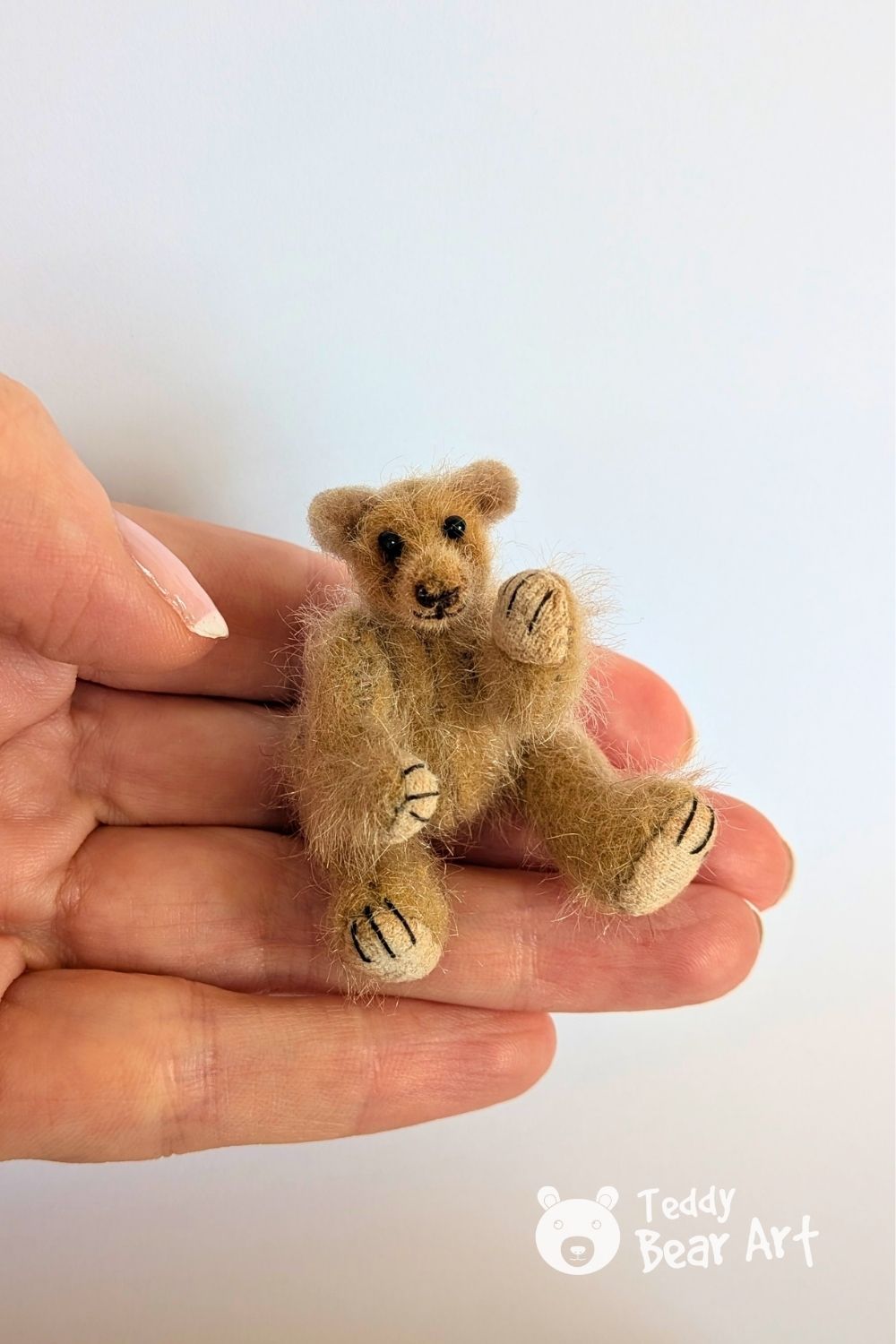
Materials, construction, finishing, condition, rarity, and the artist’s reputation can all contribute to the appeal of a collectible bear. Certificates, signatures, tags, and edition numbers may also become part of its history.
But collectibility is not only about monetary value. For many people, the most important part is much simpler. They see a bear, connect with its character, and want to live with it.
What Makes Artist Teddy Bears Unique?
There are many beautifully handmade teddy bears, but artist teddy bears usually carry something especially personal from their creator.
The original pattern matters. So do the materials and technical skills. Yet the most memorable bears often have another quality that is harder to measure, a recognizable character.
A carefully shaped muzzle, slightly asymmetrical expression, unusual proportions, a particular way of trimming fur, or a tiny accessory can turn a well-made teddy bear into a character we remember.

This is why creating artist bears remains so interesting even after making many of them. We can use familiar techniques again and again, but the next bear can still surprise us.
FAQ
Are artist teddy bears toys?
Many artist bears are created as collectible pieces for adults rather than children’s toys. They may contain glass eyes, traditional joints, small accessories, or other components that are not suitable for young children. Always check the individual artist’s description.
Are all artist teddy bears one of a kind?
No. Some are OOAK pieces, while others are created as limited editions or small series. Even bears made from the same pattern can have noticeable differences because so much of the construction and finishing is done by hand.
Before You Go
Artist teddy bears can be traditional, unusual, realistic, whimsical, tiny, oversized, perfectly groomed, or charmingly imperfect. That freedom is exactly what makes designing them so rewarding.
If artist teddy bears have caught your interest and you would like to explore collectible bears further, take a look at our guide on Where to Buy Teddy Bears for Collectors. It is a helpful next step for discovering different places to find unique and collectible bears:
Get Free Patterns & Be the First to Know!
Want free teddy bear patterns, exclusive tutorials, and a chance to win craft supplies?
Sign up for our newsletter using the subscribe form in the middle of this article to receive new patterns, insider tips, and the latest news on teddy bear art. You’ll also automatically be entered into our annual giveaway for a chance to win teddy bear crafting materials.
Bonus entry: Save one of our pins on Pinterest to increase your chances of winning!
Let’s create, inspire, and craft beautiful teddy bears together!